Category3 subjects · 32 pages
Mandala & Pattern Coloring Pages
Mandalas, geometric patterns and doodle designs, from big simple circles young kids can color to intricate repeating patterns that reward patience and a sharp pencil.
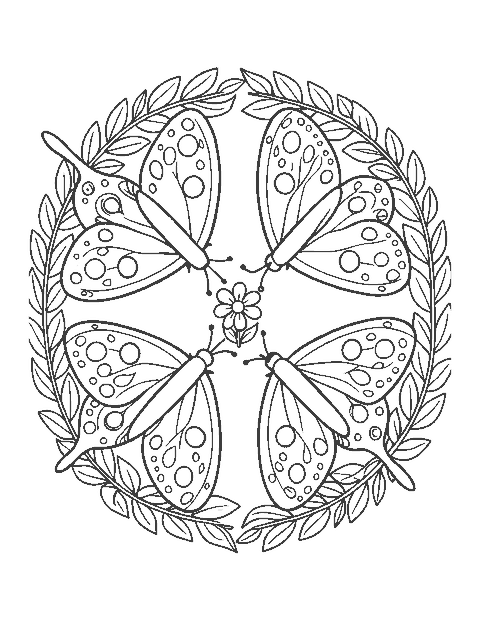
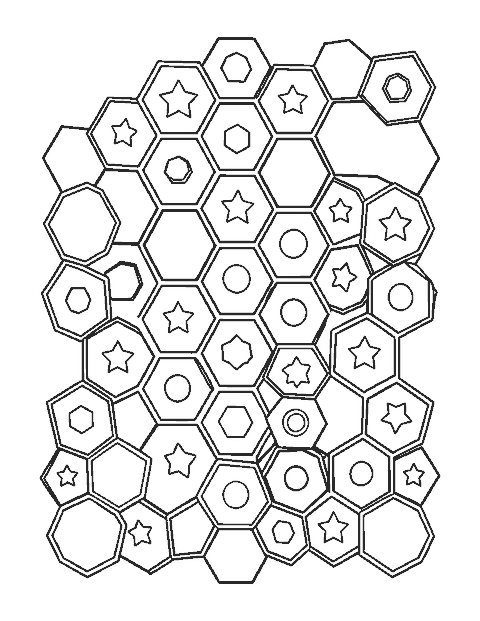
A few detailed favorites
Every subject also has big, bold Easy pages for small hands.
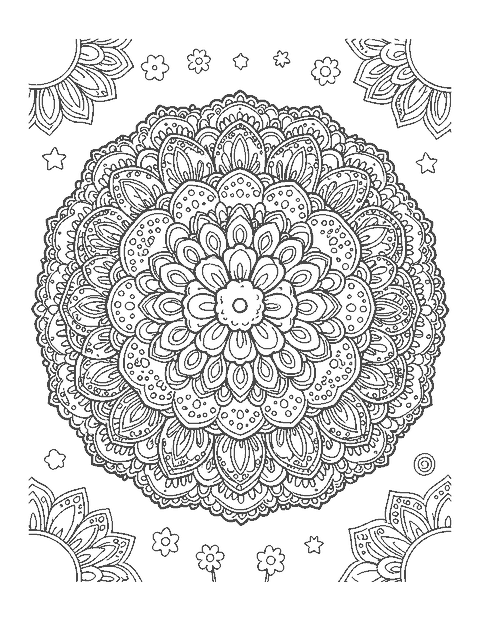
About our mandala & pattern coloring pages
This collection is all about pattern: round mandala coloring pages, geometric designs built from triangles, hexagons and tessellations, and freeform doodle art. Easy mandalas (ages 3–5) use a few large, simple shapes, Medium (6–8) and Hard (9+) add more rings and smaller repeats, and Expert pages are fine, intricate designs for teens and adults who want a long, absorbing project.
Mandalas are built on symmetry, which makes them a quiet math activity: ask students to color matching sections the same way and find the lines of symmetry. At home, keep a few in a calm-down corner, where coloring one ring at a time gives busy hands a steady, simple task.
If you like trippy coloring pages or hard coloring pages packed with tiny spaces, start with the Expert geometric designs.
Quick tips
- Pick three to five colors and repeat them ring by ring for a balanced mandala.
- Work from the center outward so your hand doesn't smudge finished sections.
- Keep a scrap sheet under the page if your markers bleed.
Mandala & Pattern Coloring Pages: questions and answers
What does mandala mean?
Mandala comes from the Sanskrit word for 'circle'. Traditional mandalas are circular designs arranged around a center point, and that radial structure is what makes them satisfying to color: you can work ring by ring, repeating a color scheme as you go.
Are there easy mandalas for kids?
Yes. Mandalas, geometric patterns and doodles all have designs at the Easy level, made for ages 3–5, with a few large shapes and thick lines. Medium and Hard designs suit school-age kids, and Expert is the place for teens and adults who want fine detail.
What should I color intricate mandalas with?
Fine-tip markers and sharp colored pencils handle the smallest spaces best. Gel pens add shine, though some bleed through thin paper, so print on heavier paper or keep a scrap sheet underneath. Choosing three to five colors before you start keeps a busy design balanced.