Category9 subjects · 91 pages
Ocean Coloring Pages
Sharks, sea turtles, dolphins, whales, octopuses and reef fish, from one big friendly creature for preschoolers to busy underwater scenes for older kids and adults.
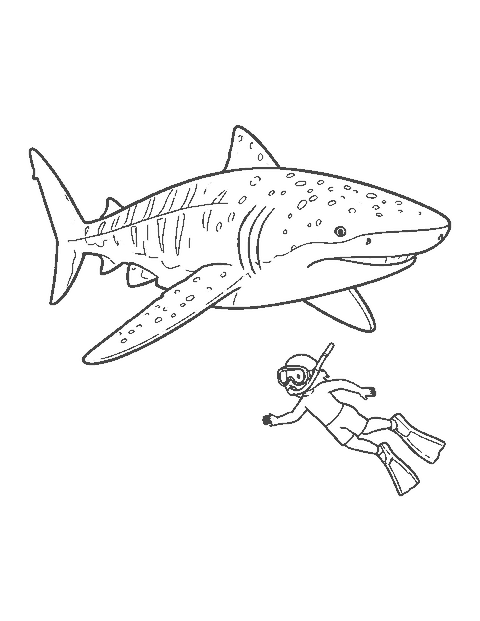 Shark Coloring Pages15 pages · 4 levels
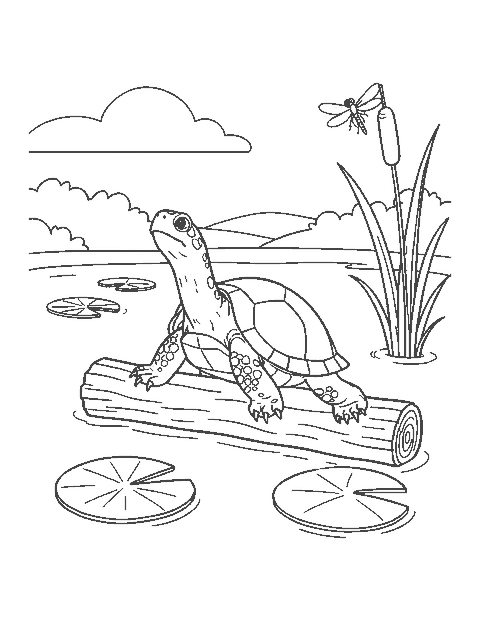 Turtle Coloring Pages16 pages · 4 levels
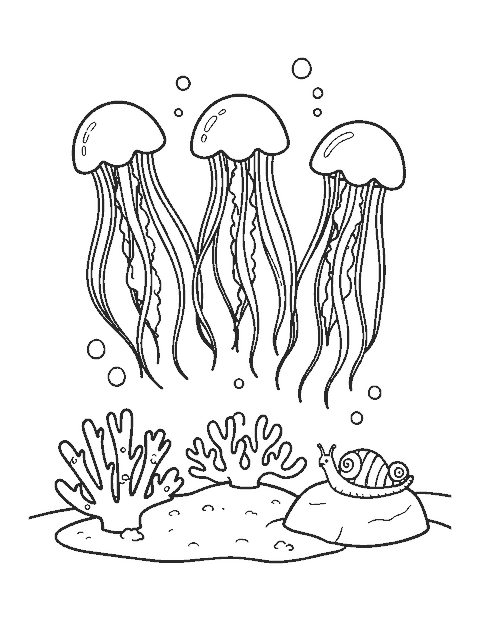 Under the Sea Coloring Pages12 pages · 4 levels
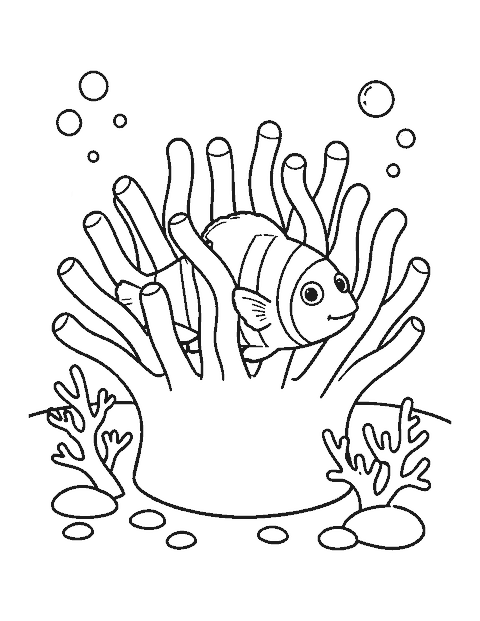 Fish Coloring Pages8 pages · 4 levels
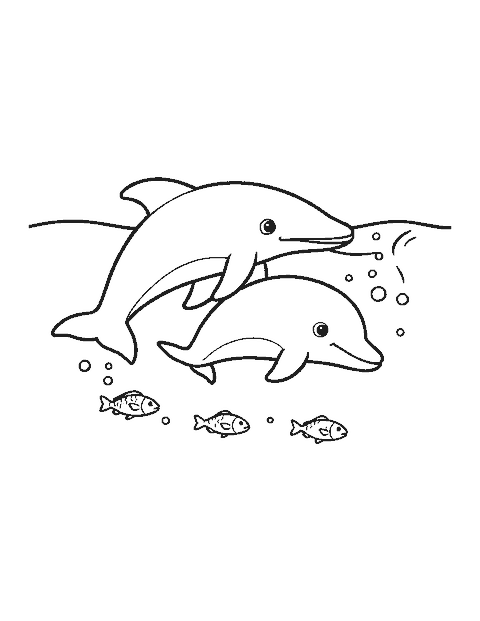 Dolphin Coloring Pages8 pages · 4 levels
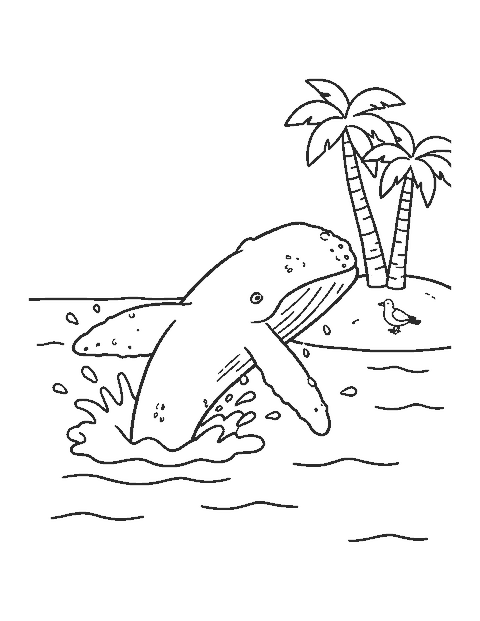 Whale Coloring Pages8 pages · 4 levels
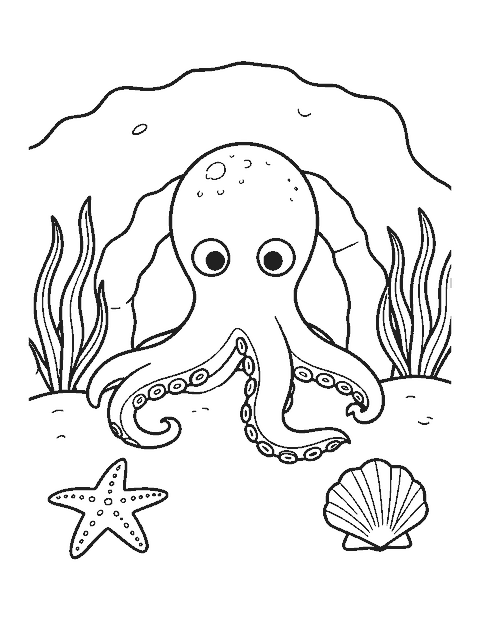 Octopus Coloring Pages8 pages · 4 levels
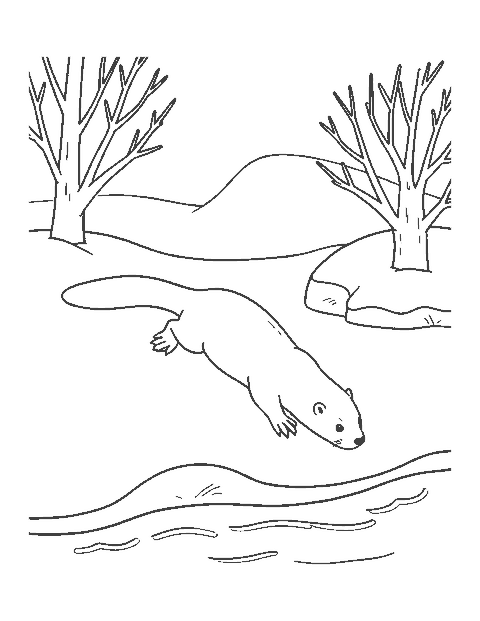 Otter Coloring Pages8 pages · 4 levels
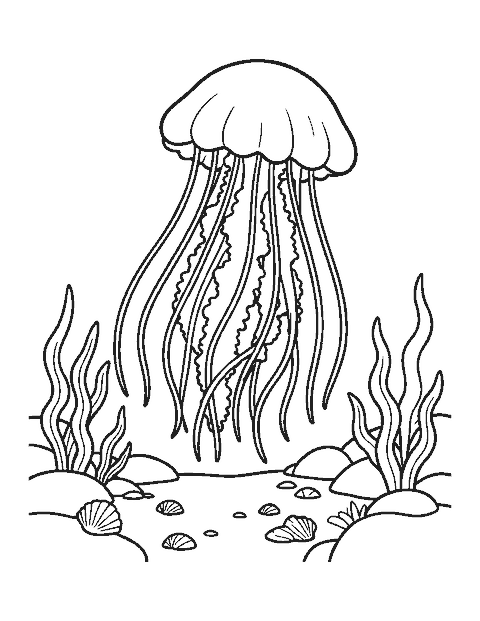 Jellyfish Coloring Pages8 pages · 4 levels
A few detailed favorites
Every subject also has big, bold Easy pages for small hands.
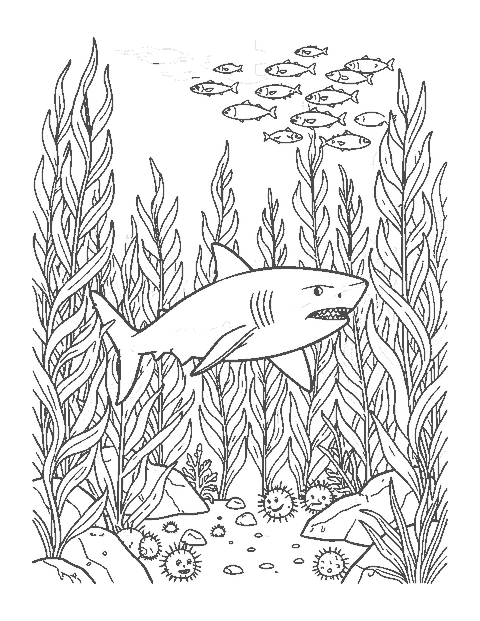
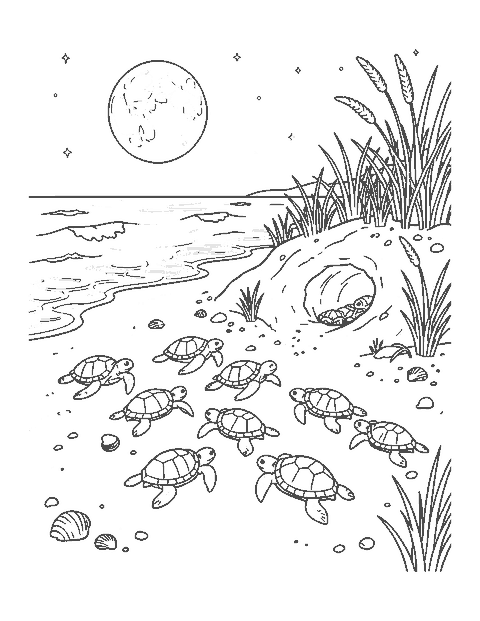
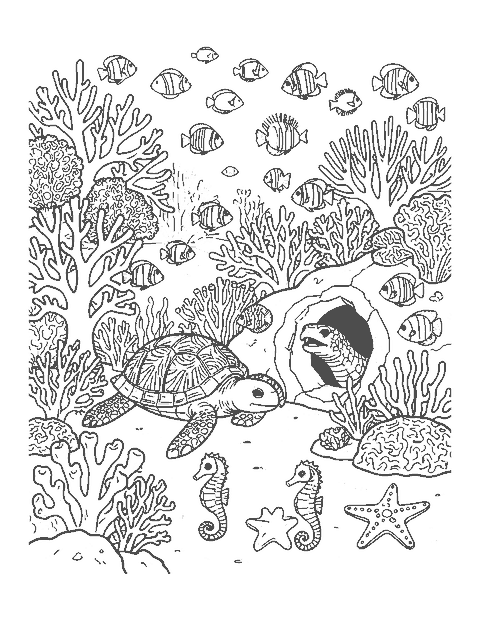
About our ocean coloring pages
These ocean coloring pages bring together sea animals from the shallows to the open sea: sharks, sea turtles, dolphins, whales, octopuses and tropical fish, plus under the sea coloring pages that fill the whole sheet with coral and seaweed. Easy pages (ages 3–5) show one big animal with thick lines, Medium (6–8) adds a simple setting, Hard (9+) builds a full reef scene, and Expert fills shells, fins and tentacles with intricate patterns for teens and adults.
Teachers running an ocean unit can hand out the sea animals coloring pages before a lesson on marine habitats, then ask students to sort the creatures into mammals, fish and reptiles. World Oceans Day, June 8 each year, is a natural date for a hallway display of finished pages.
Mermaids live in the Fantasy collection if your young marine biologist wants one in the pack too.
Quick tips
- Blend two blues for water: darker near the sea floor, lighter toward the surface.
- Leave small white spots on dolphins and whales to suggest light on wet skin.
- Pair the pages with a library book about coral reefs for a quiet-time ocean theme.
Ocean Coloring Pages: questions and answers
Are whales and dolphins fish?
No. Whales and dolphins are mammals: they breathe air through a blowhole, are warm-blooded and feed their young milk. Sharks are fish that breathe with gills, and sea turtles are reptiles. Sorting the colored pages into those three groups makes a quick science activity.
Which ocean pages suit young children?
Choose the Easy level, made for ages 3–5. Each page shows one animal, such as a turtle or a fish, with large shapes and almost no background. Medium pages suit ages 6–8 and add a simple setting with a few supporting objects to color.
Does an octopus really have three hearts?
Yes. Two hearts pump blood through the gills and the third pumps it around the rest of the body. Octopus blood is blue because it carries oxygen with a copper-based protein called hemocyanin, which makes a fun reason to color an octopus page in blues.