Nature12 original designs
Garden Coloring Pages
Free printable garden coloring pages with seedlings, vegetable patches, greenhouses and terrariums in easy, medium, hard and expert levels. Download as a PDF.
Easy garden coloring pages
Ages 3–5 · Big shapes and thick outlines for small hands.
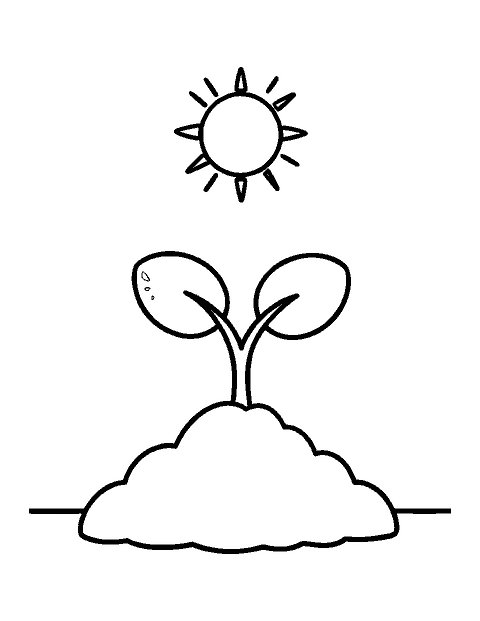 Seedling Sprouting From the SoilEasyAges 3–5
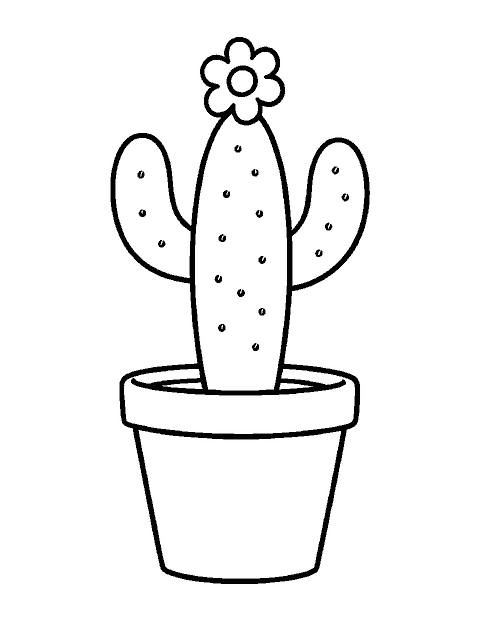 Potted Cactus With Round ArmsEasyAges 3–5
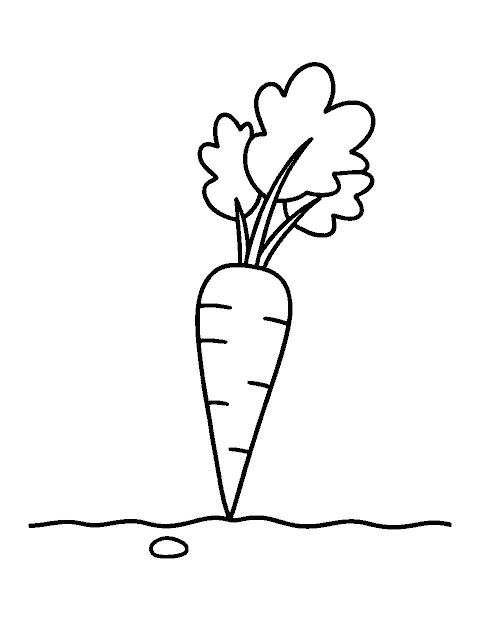 Carrot Peeking Out of the SoilEasyAges 3–5
More Easy pages from every subject: Coloring Pages for Kids · Easy Coloring Pages · Preschool Coloring Pages
Medium garden coloring pages
Ages 6–8 · A clear subject with a simple scene around it.
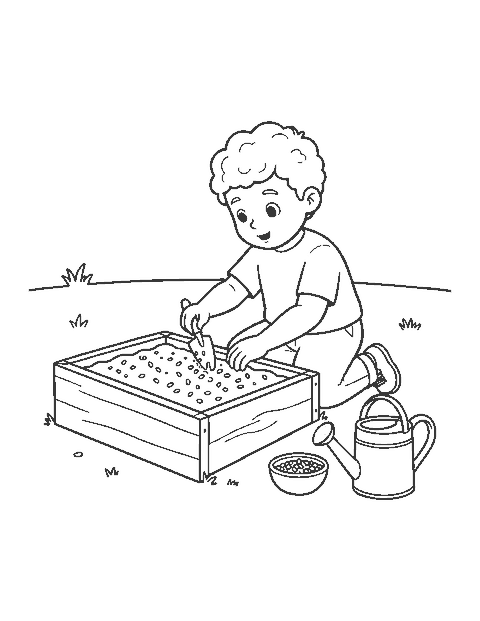 Boy Planting Seeds in a Raised BedMediumAges 6–8
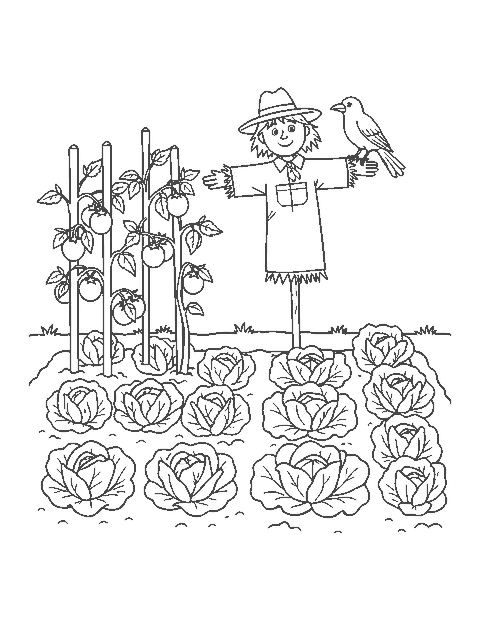 Vegetable Patch With a Friendly ScarecrowMediumAges 6–8
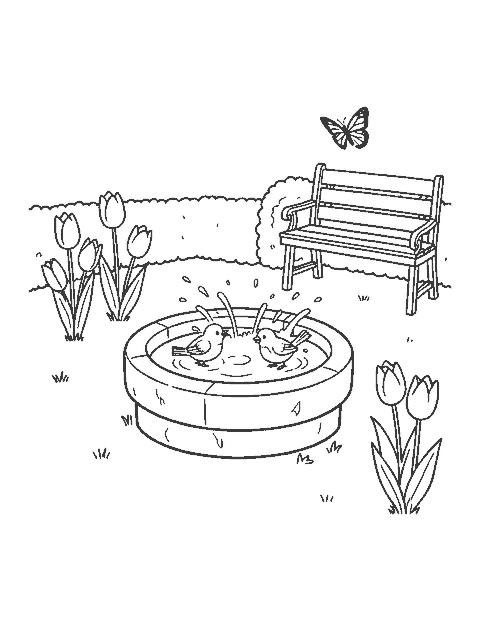 Birds Splashing in a Garden Bird BathMediumAges 6–8
More Medium pages from every subject: Coloring Pages for Kids
Hard garden coloring pages
Ages 9+ · Full scenes with smaller spaces to fill.
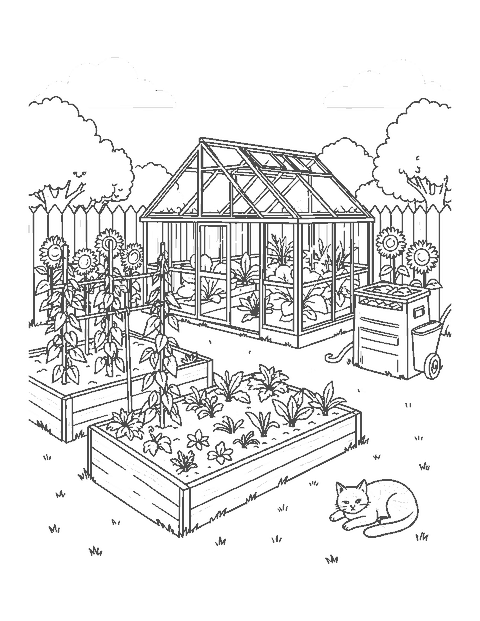 Backyard Garden With a GreenhouseHardAges 9+
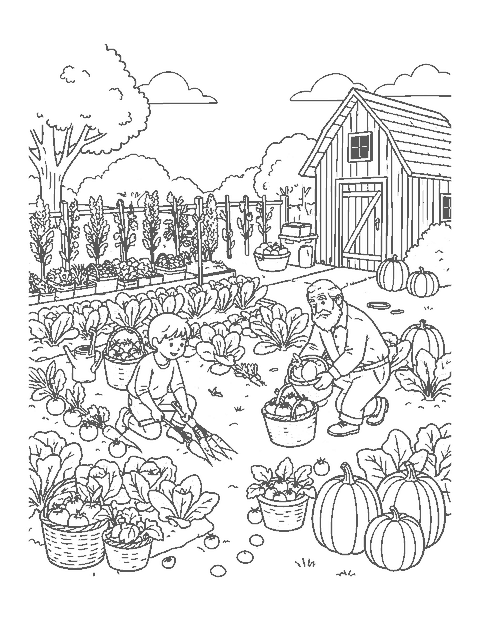 Family Harvesting Vegetables TogetherHardAges 9+
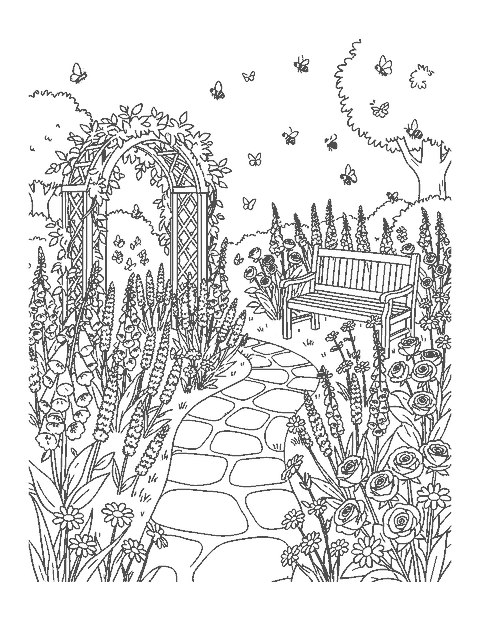 Winding Path Through a Butterfly GardenHardAges 9+
Expert garden coloring pages
Teens & adults · Intricate patterns and fine line work.
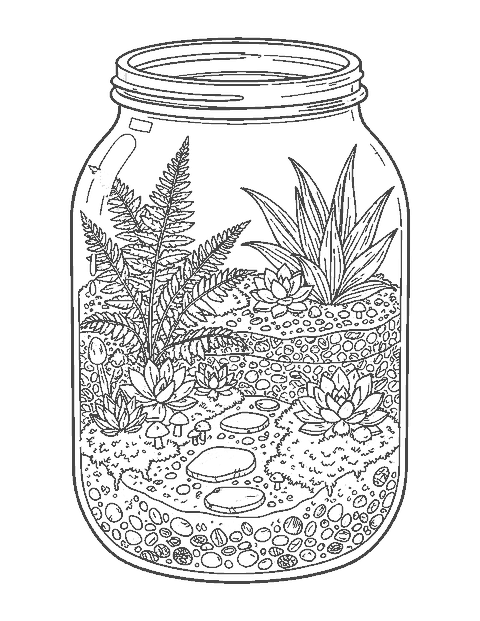 Terrarium Jar Full of Tiny PlantsExpertTeens & adults
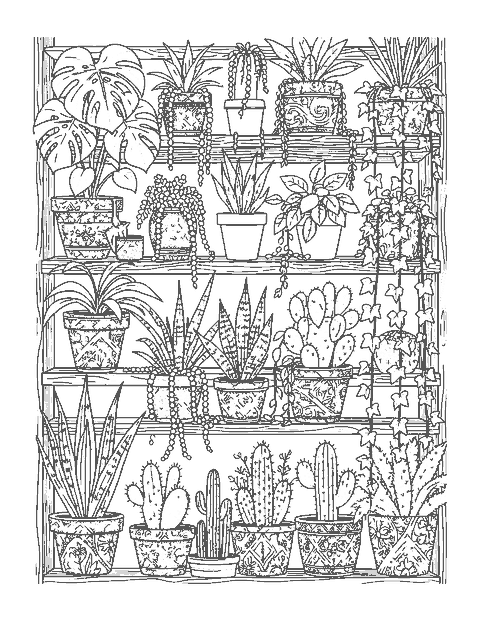 Houseplant Shelves With Patterned PotsExpertTeens & adults
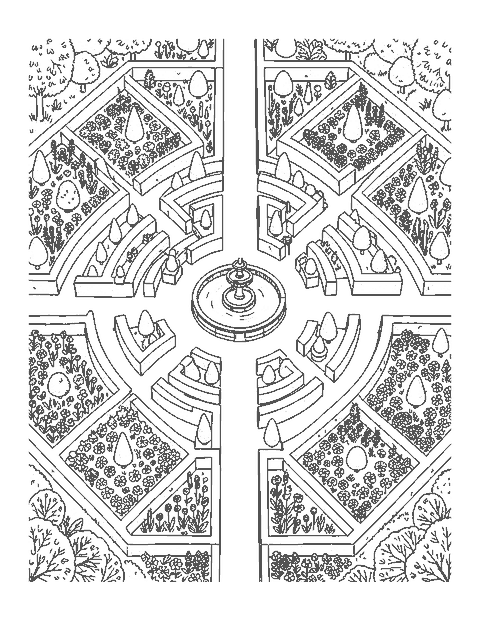 Hedge Maze Garden With a Tiered FountainExpertTeens & adults
More Expert pages from every subject: Adult Coloring Pages
About these garden coloring pages
These garden coloring pages follow plants from a single seedling to a whole backyard. Ages 3 to 5 can start with a sprouting seed, a potted cactus or a carrot, while ages 6 to 8 get a raised bed, a vegetable patch with a scarecrow and a bird bath. Hard and expert pages add greenhouses, hedge mazes, terrariums and shelves of houseplants.
If you are looking for plant coloring pages for a science lesson, color the seedling page while growing a bean in a clear cup, and add a new drawing each week as it grows. The family harvest page is a natural lead-in to talking about where food comes from.
Also in fall coloring pages, spring coloring pages and summer coloring pages.
Garden facts to share
- Plants make their own food from sunlight, water and air in a process called photosynthesis.
- Earthworms help gardens by loosening the soil and breaking down dead leaves into nutrients plants can use.
- Bees pollinate many fruits and vegetables people eat, including apples, squash and cucumbers.
Color idea: Mix at least three greens, a yellow-green for new leaves, a mid green for most foliage and a blue-green for shadows, so the plants do not blur together.
Garden coloring page questions
Which garden pages are good for teaching how plants grow?
Use three pages in order to talk through a plant's life: the raised bed page shows seeds being planted, the seedling page shows a sprout with its first two leaves, and the carrot page shows a root vegetable ready to pull from the soil.
Are there houseplant or indoor plant pages?
Yes. The potted cactus is an easy indoor plant, and the expert pages include a terrarium jar and a set of shelves with a monstera, a snake plant, string of pearls and trailing ivy in patterned pots.
How long do the expert garden pages take to color?
It depends on your tools and pace, but they are made for long sessions. The hedge maze, terrarium and plant shelves have many small areas, so it helps to work in stages, coloring one flower bed, shelf or layer at a time.
More coloring pages to try
All nature pages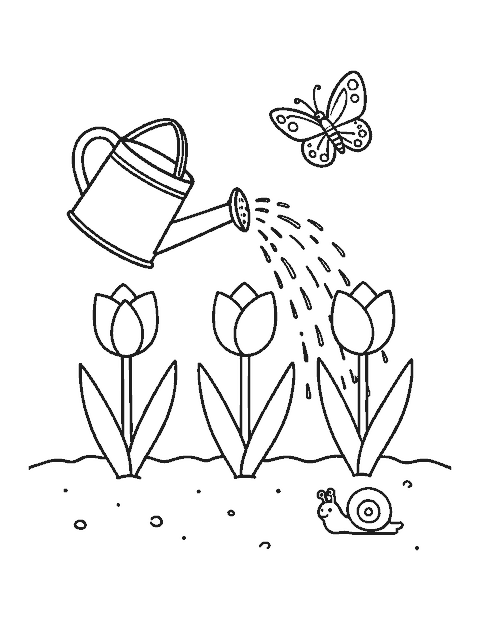 Flower Coloring Pages24 pages · 4 levels
 Rainbow Coloring Pages16 pages · 4 levels
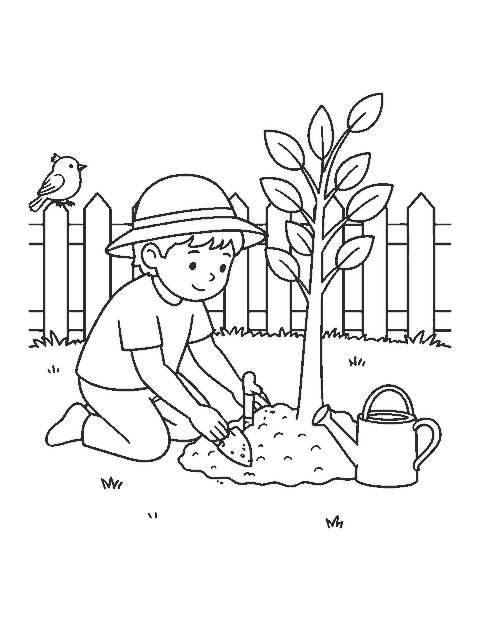 Earth Coloring Pages12 pages · 4 levels
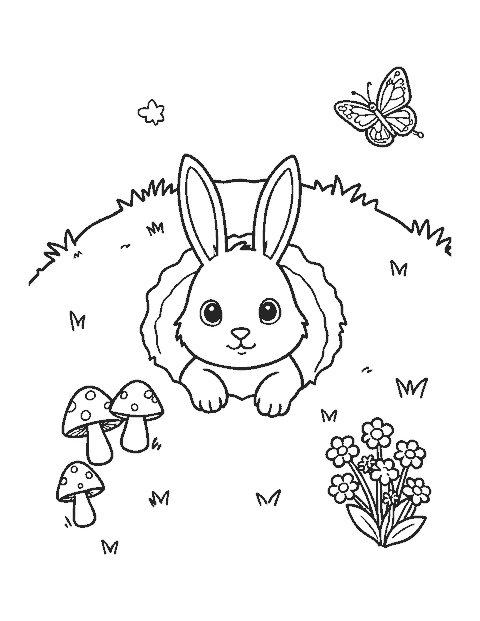 Bunny Coloring Pages24 pages · 4 levels
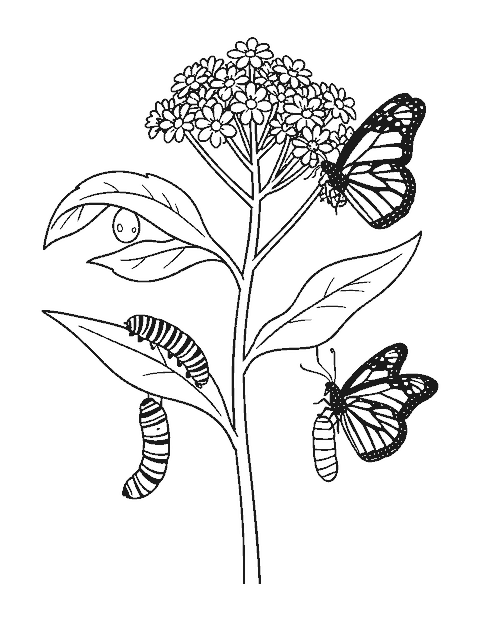 Butterfly Coloring Pages24 pages · 4 levels
 Fairy Coloring Pages16 pages · 4 levels
 Bird Coloring Pages8 pages · 4 levels
 Frog Coloring Pages8 pages · 4 levels
 Bee Coloring Pages8 pages · 4 levels
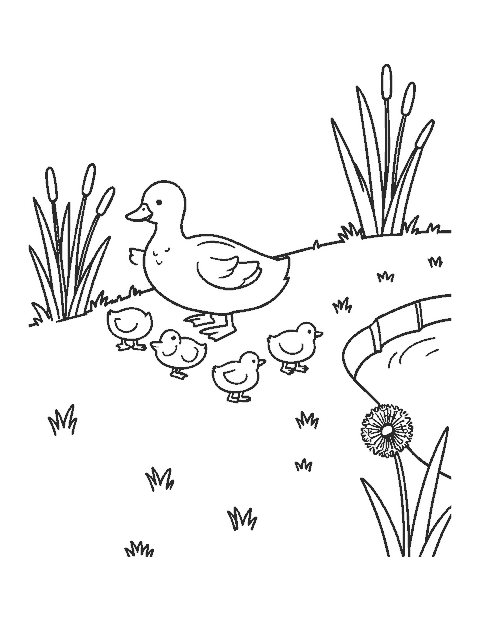 Duck Coloring Pages8 pages · 4 levels